// I may receive a commission on purchases made from links.
Hey friends,
I write a lot of dystopian sci-fi. My upcoming novel, Geppetto’s Children, has a dystopian setting, and my short story collection, Echoes of the Arcane, has no less than six different stories that take place in a dystopian future. One of the things that I’ve always loved about this kind of setting is that it allows you to tell an entertaining story where survival and safety aren’t assured, while also exploring the harmful effects of the modern world. As a writer, I can look at the problems of my own society and extrapolate a scenario where the problem grows out of control and overpowers the guardrails that keep our society intact. This is meant to be provocative, but it’s also supposed to make the reader consider the potential consequences of failing to address these issues right now. I’m worried that there’s a problem with the effect that dystopian fiction has on modern readers, though. But to explain why, I need to quickly go over a short history of speculative fiction.
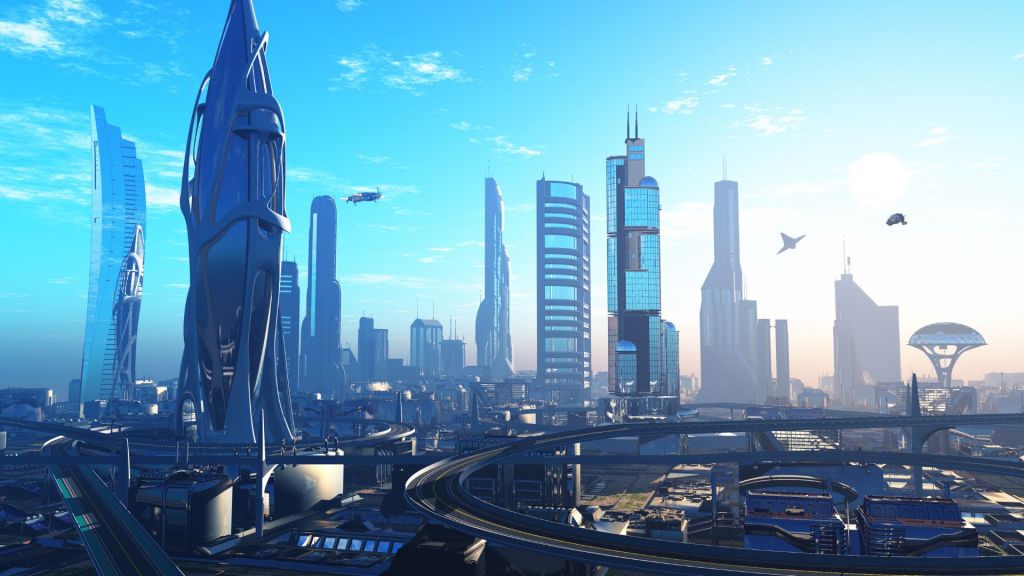
The term Utopia, as we use it today, was first coined by Sir. Thomas Moore in 1516. Utopian fiction envisions a future where everything is simply better. Everyone has enough food, shelter, and other resources that they are free to live their lives without fear. Over time, this idea evolved. Authors envisioned worlds where no one was sick, where no one had to work, and where everything they owned was always new and shiny. This was the norm for speculative fiction for decades. It was particularly popular in the science fiction of the early-to-mid 20th century, before the popularity of novels like 1984 and Brave New World turned the literary world’s attention to bleaker and more thought-provoking visions of the future.
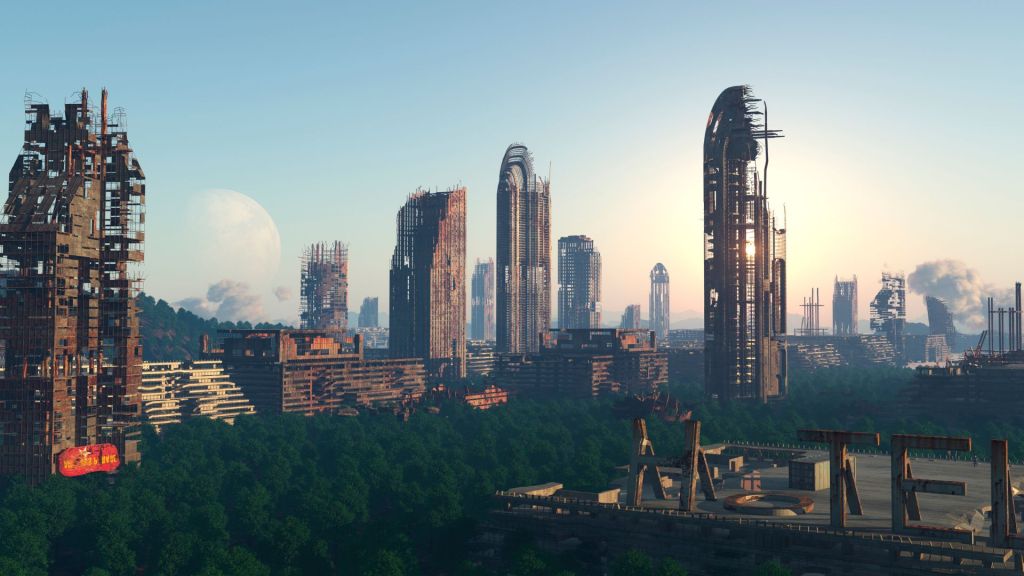
Dystopian fiction was revolutionary for English and American literature when it first came into the limelight. It may well have been fueled by the culture of fear and paranoia that was so prevalent during the Cold War, but shortly after this period is also when capitalism reached its tipping point in the U.S. and successive generations started to prosper less than their parents. In either case, our obsession with it never seemed to fade. Do Androids Dream of Electric Sheep?, The Handmaid’s Tale, The Parable of the Sower, The Road, and Ender’s Game would all be classified as dystopian. Even books targeted at young adults like The Giver, The Hunger Games, and The Maze Runner are all set in bleak, broken, or otherwise fractured futures. But when was the last time you saw a piece of utopian fiction?
The popularity of writing dystopia makes a lot of sense from the author’s perspective since conflict is the beating heart of storytelling, but it might be speaking to something more about our society’s collective consciousness as a whole.
I was talking to a friend about how virtually all modern sci-fi is dystopian, and his response was that it was probably harder for modern readers to even imagine a future where the world is a better place than it is now. This really resonated with me. They say that art imitates reality and reality imitates art—is it possible that we’ve created a self-fulfilling prophecy by only writing and consuming dystopian media? Or is it simply that the world is on a bleak path, and so only bleak visions of the future ring true? Unfortunately, I think it’s the latter.
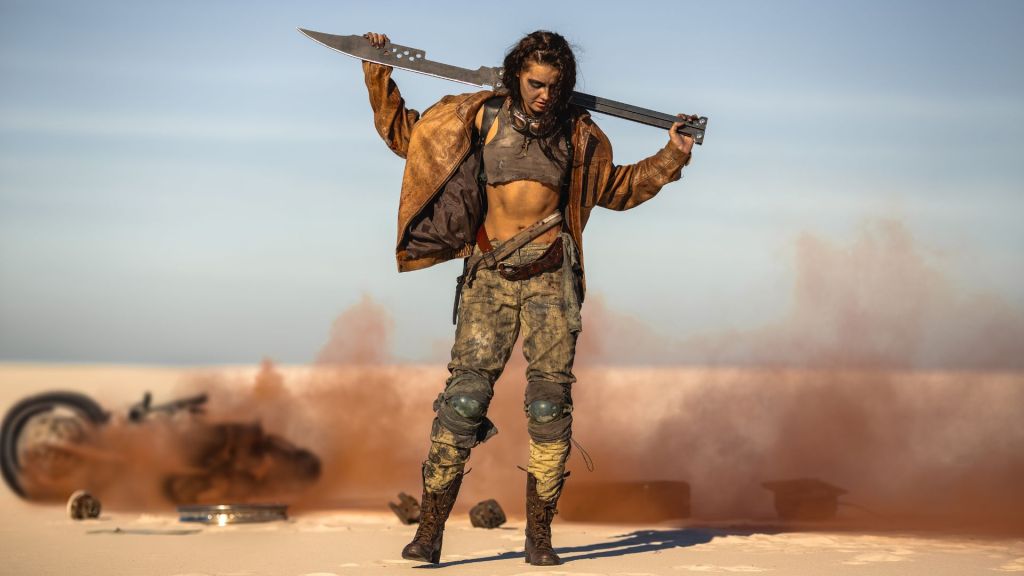
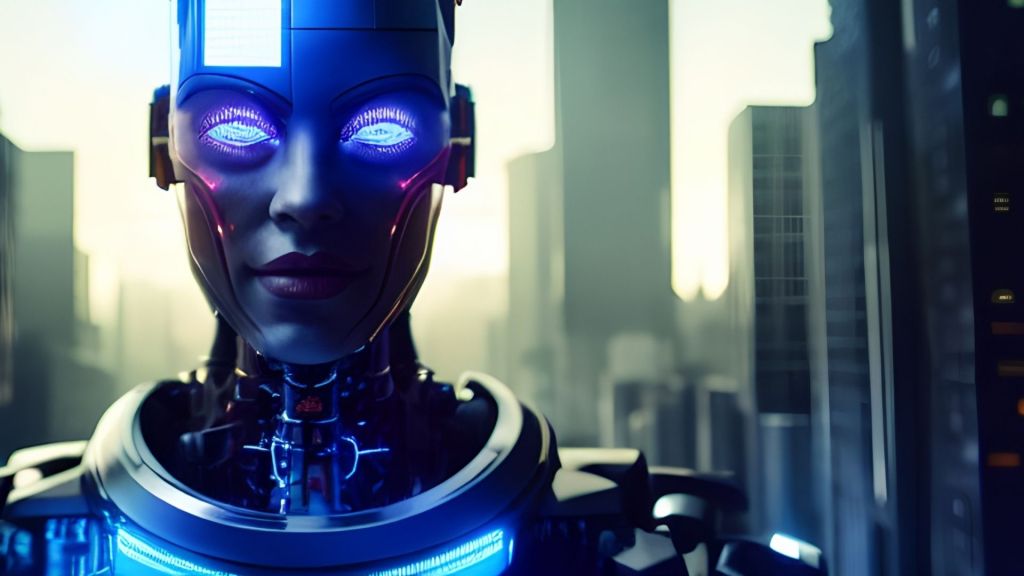
This is also problematic for dystopian fiction as a genre, though. Dystopian stories are supposed to be counter-culture. They lose a lot of their effect when a bleak future is presumptive. Readers aren’t supposed to read about A.I. overlords and hyper-nationalist global conflicts and then shrug their shoulders in acceptance. They’re supposed to care. They’re supposed to be upset when these things start happening in the world (as they are now), but instead we seem to view them as inevitable. We’re burnt out. We need something to fight for and not just something to fight against.
I don’t have a perfect solution, but I think it would be great if we started seeing more optimistic interpretations of the future. One of the best examples that I’ve come across in recent years is A Psalm for the Wild-Built by Becky Chambers. Chambers does a fantastic job of portraying a world where humanity makes ethical choices and learns to live sustainably. That might seem far-fetched to our cynical modern brains, but maybe those are the kinds of stories that I think we need right now.
This is the part where I might be a bit of a hypocrite. I don’t think I’m the right person to write them. I’ve suffered from anxiety and depression for most of my adult life and I find it difficult to craft overly optimistic stories. (Those of you who read Echoes of the Arcane probably picked up on that.) That said, I will happily continue to purchase, read, and share these kinds of stories in order to support them, and I encourage all of you to do the same.
-Cody
 Cody D. Campbell